







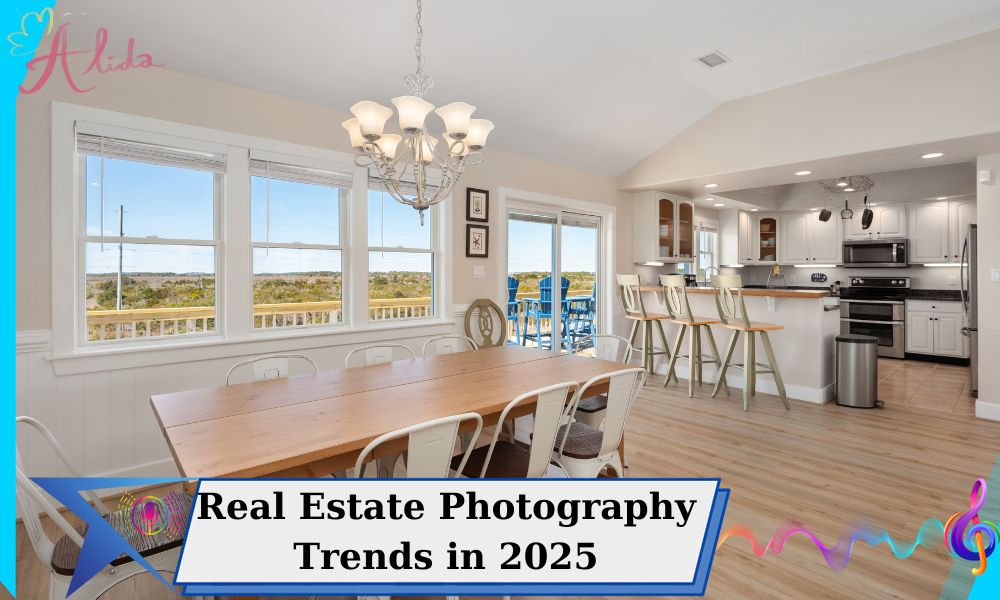
The real estate industry is constantly evolving, and photography plays a crucial role in marketing properties effectively. In 2025, several key trends are shaping the future of real estate photography, making it more dynamic, engaging, and accessible to potential buyers. Embracing these trends can significantly enhance property listings and attract more interested clients.
AI-Powered Photo Editing
Artificial intelligence (AI) is transforming real estate photography by making photo editing faster and more efficient. AI-powered tools can automatically enhance images, adjust lighting, replace skies, and merge HDR images with minimal manual effort. These advancements allow photographers to produce high-quality visuals quickly, optimizing their workflow and saving valuable time. Virtual staging, which enables properties to be digitally furnished, is another AI-driven feature that is revolutionizing real estate marketing.
Real Estate Photography Trends 2025: Virtual Staging & AR
Virtual staging has become an essential tool for showcasing vacant properties. This technology allows real estate agents to digitally furnish homes, making them look more appealing to potential buyers. Augmented reality (AR) takes this a step further by enabling buyers to visualize different interior layouts and design elements in real-time. These innovations increase buyer engagement and provide a better understanding of a property’s potential, leading to quicker sales.
Aerial Photography & Videography
Drone photography continues to be a game-changer in real estate marketing. Aerial images and videos provide unique perspectives of properties, showcasing their size, surroundings, and landscape. This is particularly useful for luxury properties and large estates, where ground-level photography may not capture the full essence of the space. Aerial visuals add a professional touch to listings and create a strong visual impact on potential buyers.
Virtual Tours & Interactive Experiences
The demand for virtual tours has surged, allowing potential buyers to explore properties remotely. Interactive 3D tours and 360-degree images provide a comprehensive view of a property without requiring an in-person visit. Virtual reality (VR) technology further enhances this experience by offering immersive property walkthroughs, making it easier for buyers to connect with a space before physically stepping inside.
High Dynamic Range (HDR) Photography
HDR photography remains a preferred technique in real estate, ensuring well-balanced lighting and enhanced image quality. This method captures a wide range of brightness and contrast, making interiors and exteriors look more realistic and visually appealing. HDR helps highlight a property’s best features and ensures that details are not lost in shadows or overexposed areas.
Real Estate Photography Trends 2025: Pro Editing & Post-Processing
The demand for high-quality photo editing is increasing, as real estate professionals understand the importance of flawless images. Professional editing services include color correction, sky replacement, object removal, and perspective adjustments. Well-edited images enhance a property’s visual appeal, attracting more potential buyers and increasing the chances of a quick sale.
Video & Dynamic Content
Video content has become a powerful marketing tool for real estate professionals. Property walkthrough videos, neighborhood tours, and cinematic real estate films provide a more engaging way to showcase listings. High-quality videos help tell a property’s story, allowing buyers to experience its ambiance and unique features. Dynamic content, such as short-form videos for social media, further boosts engagement and visibility.
Real Estate Photography Trends 2025: 3D Tech & Modeling
3D technology is playing a vital role in modern real estate marketing. 3D floor plans and models allow buyers to visualize property layouts with accuracy and detail. These interactive features help buyers understand a property’s dimensions, making it easier to decide whether a space meets their needs. 3D modeling is especially useful for new developments and off-plan properties, where physical visits are not yet possible.
Mobile Optimization
With more buyers searching for properties on mobile devices, optimizing images and content for smartphones and tablets is essential. Mobile-friendly visuals load faster and ensure a seamless viewing experience. Real estate websites and listing platforms must prioritize responsive design and high-quality images that adapt to different screen sizes.
Real Estate Photography Trends 2025: Social Media & Marketing
Social media platforms have become critical tools for real estate marketing. High-quality images and videos shared on Instagram, Facebook, and TikTok can reach a broader audience and generate leads. Digital marketing strategies, such as targeted ads and SEO-optimized listings, help increase a property’s online visibility. Utilizing social media effectively enhances engagement and drives more traffic to real estate listings.
Conclusion
The real estate photography landscape is rapidly evolving, and staying ahead of these trends is crucial for photographers and real estate professionals. AI-powered editing, virtual staging, aerial photography, and interactive experiences are shaping the future of property marketing. By adopting these innovations, professionals can create visually compelling listings that attract and convert buyers more effectively.
For those seeking expert real estate photo editing services, Alida offers high-quality image enhancement, virtual staging, and HDR editing to elevate your property listings. Contact us at photonews121@gmail.com to learn more about how we can help you create stunning visuals that captivate buyers.